
Landmark results. Smart advocacy. Real change.
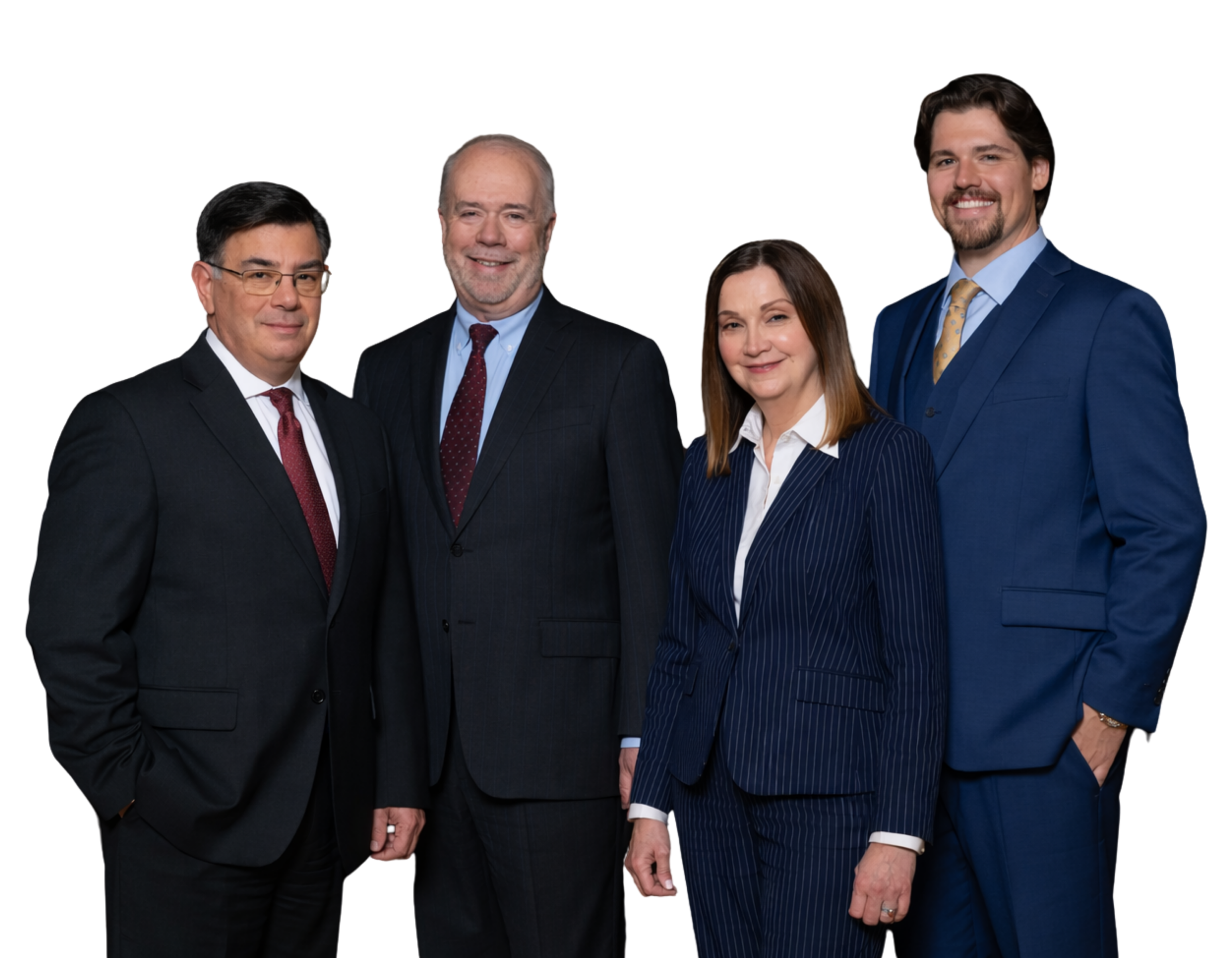
We are a small firm with more than 110 years of combined experience, respected in the legal community both regionally and nationally.
What matters just as much, however, is our reputation with the people we represent. We’ve built that reputation by giving every client personal attention, clear guidance, and unwavering support — because each case deserves respect, and each client deserves to be heard.
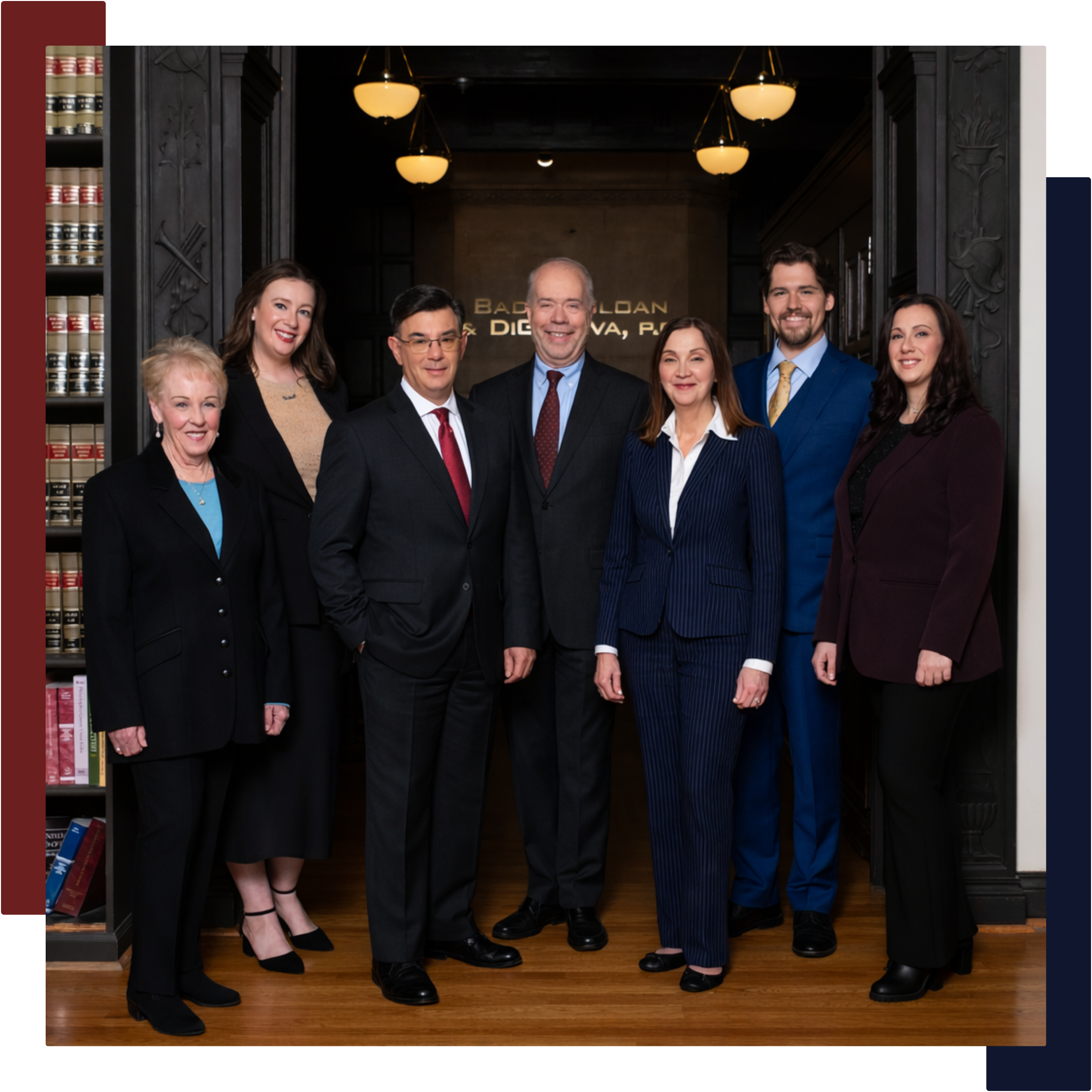
Badey, Sloan & DiGenova concentrates on representing individuals and families facing serious legal challenges after life-altering events. These are matters where experience, preparation, and sound judgment make a real difference. Our attorneys take a thoughtful, strategic approach to every case, developing a clear plan from the outset and pursuing the path that best serves our clients’ long-term interests — whether through negotiation, litigation, or trial.
The attorneys at Badey, Sloan & DiGenova bring decades of experience representing individuals facing serious and complex legal matters. From high-stakes negotiations to jury trials, appeals, mediation, and administrative proceedings, our team is known for strategic advocacy and unwavering preparation. Most importantly, we take the time to listen, understand each client’s situation, and chart the smartest path forward.
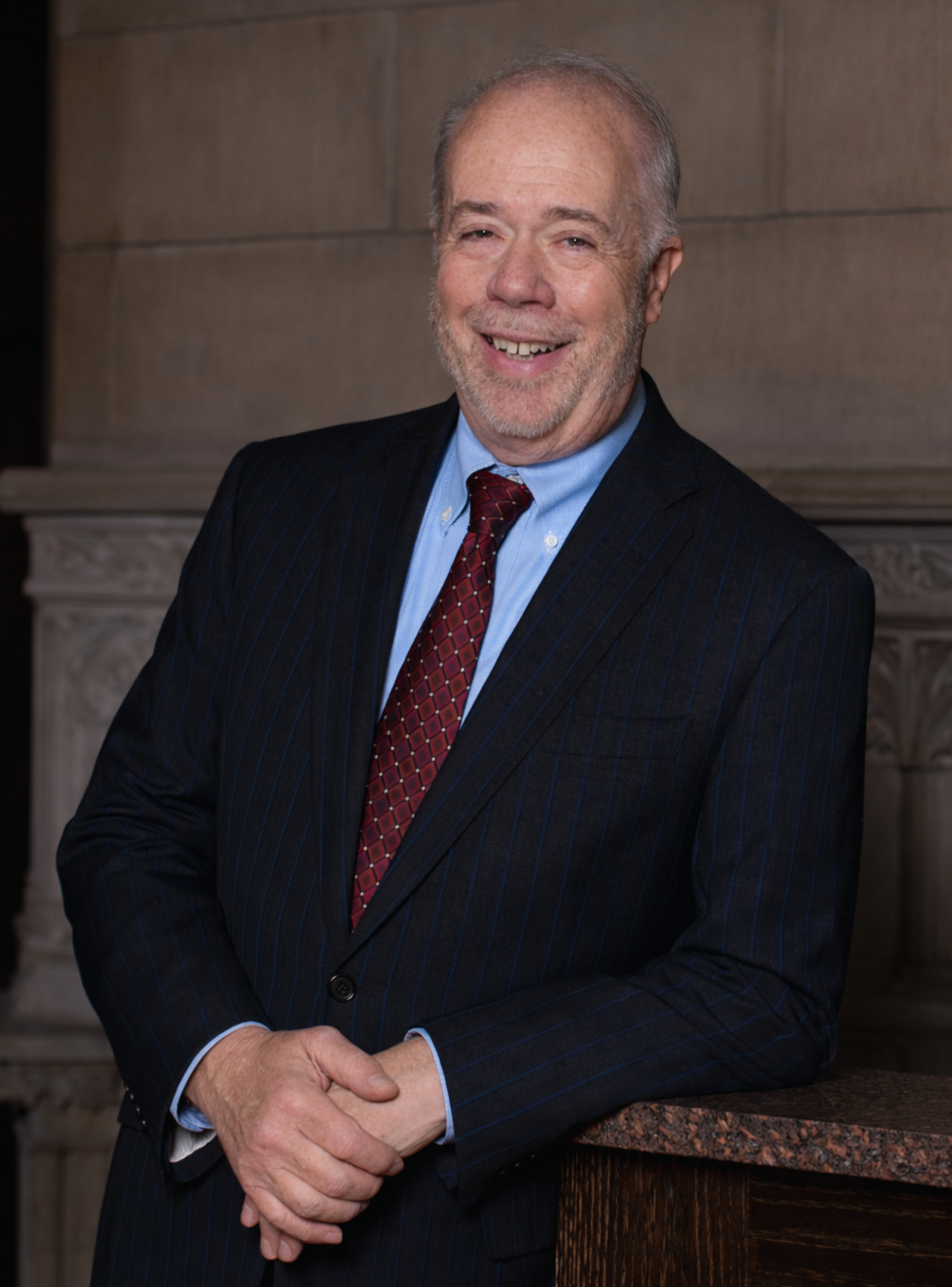
Founding Partner
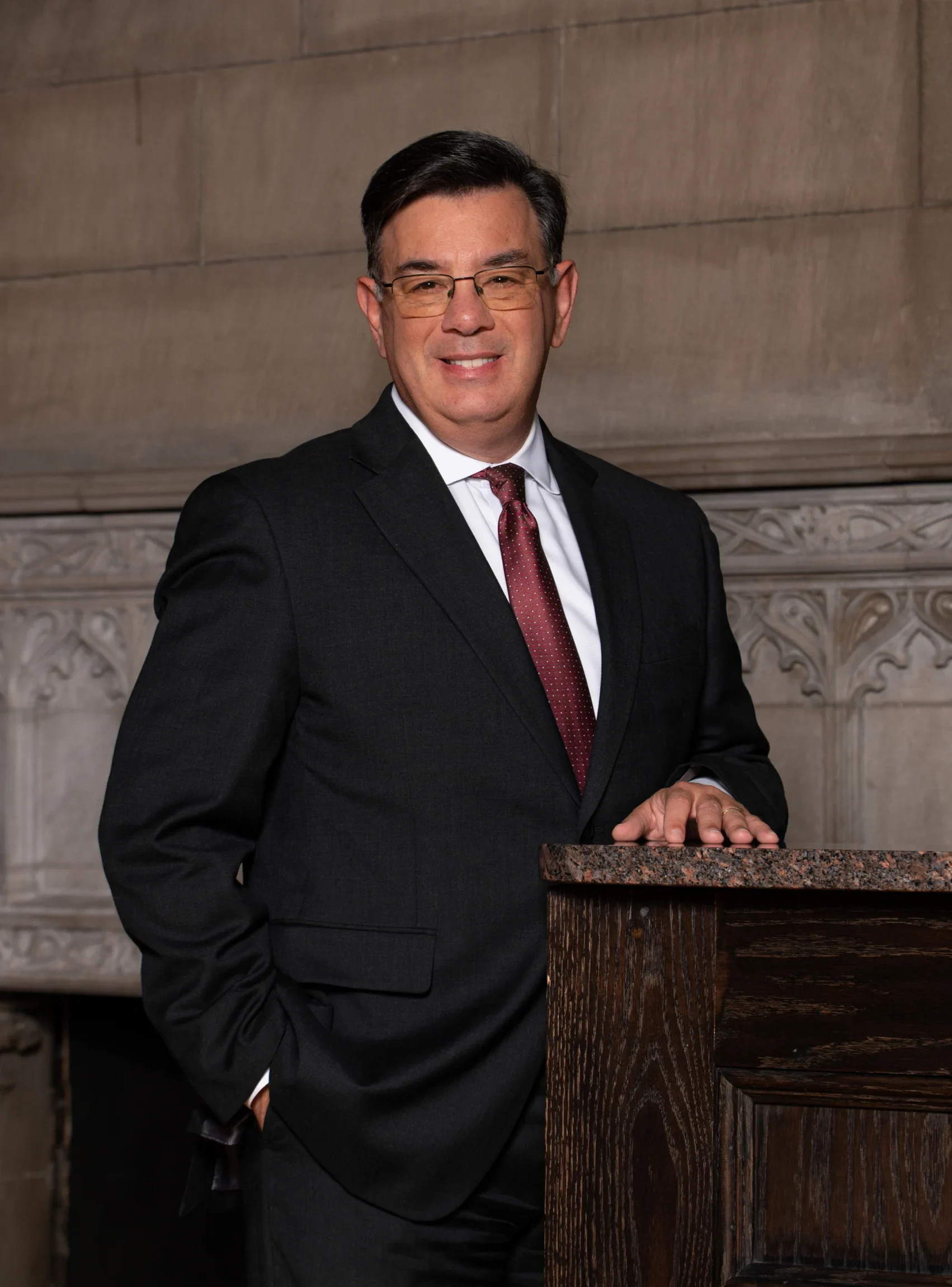
Founding Partner
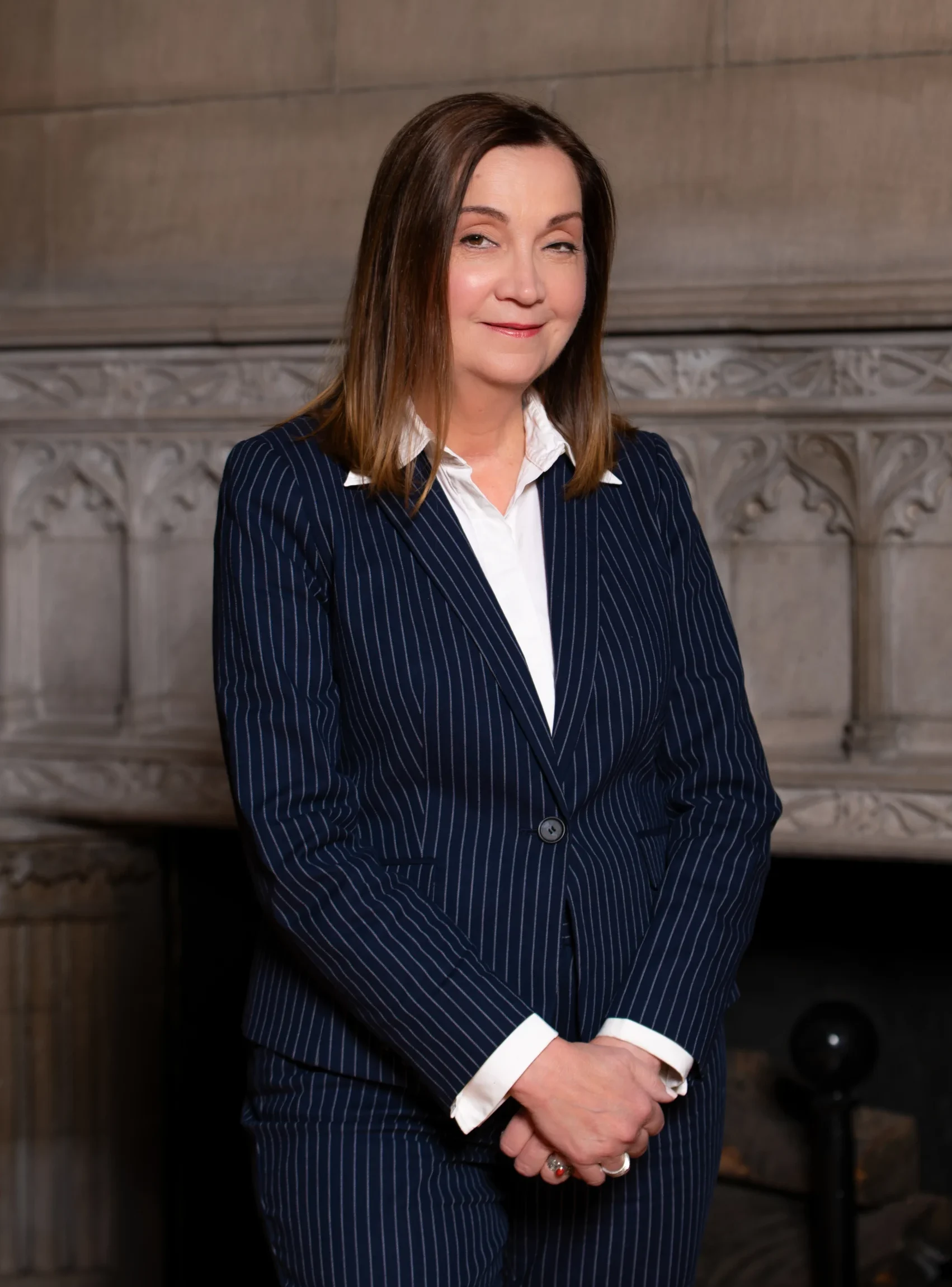
Attorney
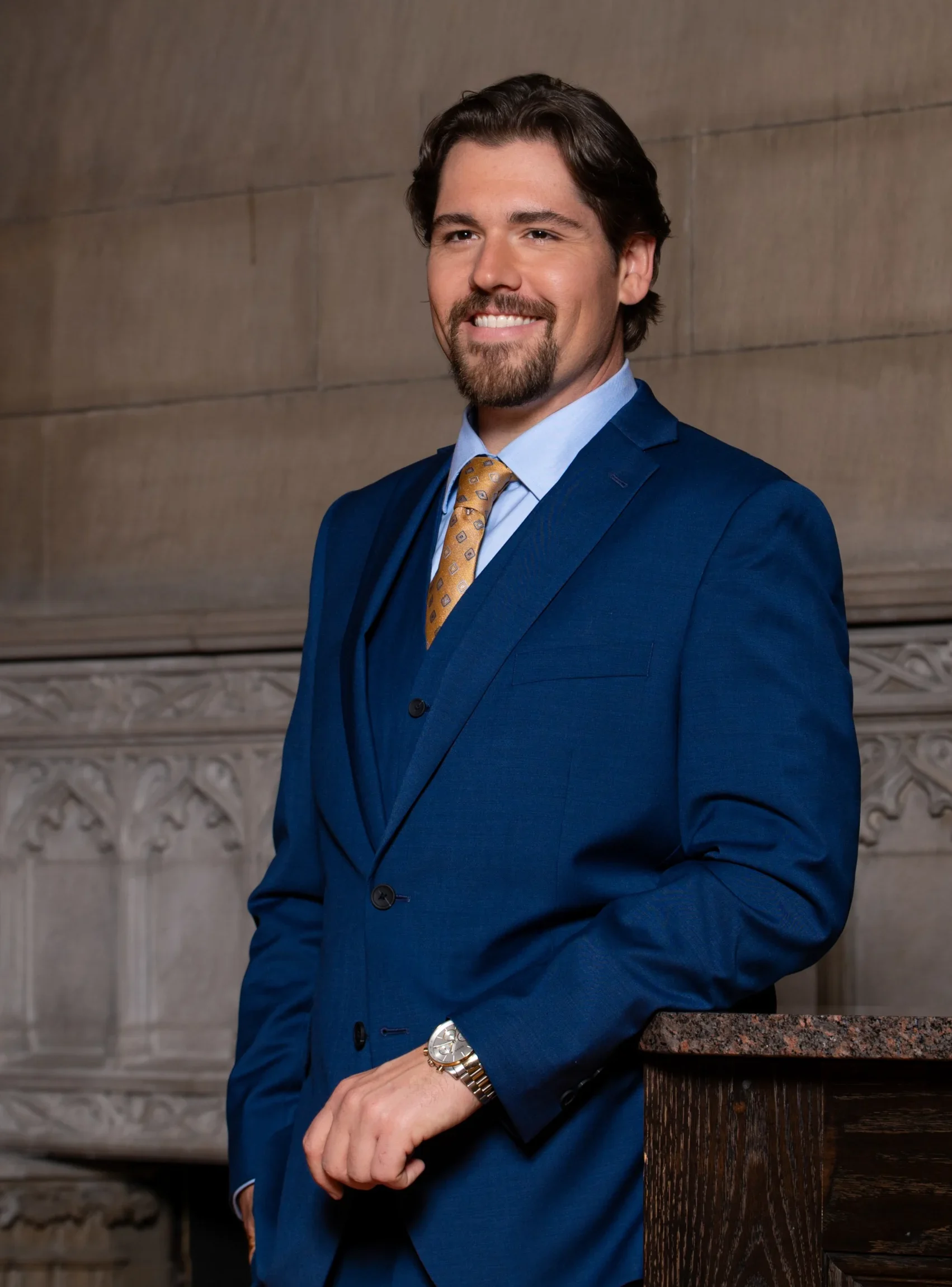
Associate
“Mr. Badey, I want to go to McDonald’s.”
We have a tradition that began in 1992: whenever we secure a verdict or settlement of one million dollars or more, we take our client to McDonald’s to celebrate.
The tradition started after a significant courtroom victory — a $1.5 million result for a seriously injured client. As we packed up our trial materials, we overheard our corporate opponents discussing which upscale restaurant they would visit for filet mignon and martinis. We decided, instead, to celebrate where our client felt most comfortable. Mickey D’s it was.
That moment became something more meaningful than a celebration. It became a reminder of who we represent — and why.
In another case, a young man suffered a serious neck injury. After the jury retired to deliberate, the insurance company increased its offer from $450,000 to $850,000. I asked my client what he wanted to do. He looked at me and said, “Mr. Badey, I want to go to McDonald’s.”
We let the jury decide. They returned a verdict of $2.76 million.
That day, we supersized the extra value meals.
Trustindex verifies that the original source of the review is Google. Quality, OUTSTANDING!! Decades of experience. Mike Digenova has been my families attorney through 3 generations. My mother almost 90 yo, my son 30 yo and myself. Mike's tenacity alongside efficiency is unparalleled. We have recommended Mike to family and friends countless times to their great satisfaction.Posted onTrustindex verifies that the original source of the review is Google. michael was my attorney and he did a great job helping me. I am very satisfied with the results.Posted onTrustindex verifies that the original source of the review is Google. I cannot thank Mike DiGenova enough for his incredible support in handling my personal injury case after my car accident. Mike was professional, diligent, knowledgeable, and empathetic. Mike’s bold advocacy, and his strategic thinking resulted in my case getting a significant settlement.Posted onTrustindex verifies that the original source of the review is Google. Top notch legal representation at this law firm. Mike DiGenova and everyone at this firm are very professional, attentive and sensitive to your legal situation. Mike is very attentive and patient with his clients. He has assisted me with all of my paperwork regarding my worker's compensation case, he's referred me to wonderful doctors for my injuries. This law firm will always have my business (hopefully not needed) and I will recommend Mike and firm to all my family and friends.Posted onTrustindex verifies that the original source of the review is Google. Hi my name is Jerome and I would like to inform you. If you are looking for fast and accurate service contact Barry,Sloan & DiGenova P.C. And ask for Mr. Michael DiGenova. Best customer and professional services. I would like to say thank you Mr. Michael DiGenova and your firm for giving me the help I needed.Posted onTrustindex verifies that the original source of the review is Google. Great honest people. They reaffirm my faith in the justice systemPosted onTrustindex verifies that the original source of the review is Google. Very positive experience dealing with thisLegal firm. Easy to deal with. Easy to get in contact. They are quick to return your calls if they are not in the office. Some of the best attorneys in the city of Philadelphia, not only representing Philadelphia, but New Jersey as well. I would highly recommend Them to anyone.100%.Posted onTrustindex verifies that the original source of the review is Google. Mr. Badey was super helpful with my case and got me paid after I had been trying to for months. He was extremely professional and kind. He treated me like I was family. Not only is he good at his job but he is an all around great guy. Can’t recommend him enough!Posted onTrustindex verifies that the original source of the review is Google. Mr. Badey has helped me in several legal situations. He always gives great advice and comes up with creative solutions on my behalf. I wouldn't recommend any other attorney.Posted onTrustindex verifies that the original source of the review is Google. There are not enough words for me to express my gratitude for George Badey, and his partners Michael Digenova, and the late Robert Sloan! Incredibly talented attorneys committed to their clients and their profession without question. Uncompromising in their efforts and dedication to representing their clients and the truth at the heart of every matter. Fighting for their clients to be made whole and winning are their personal and professional goals! They practice with unquestionable integrity and can be trusted with your business, your matter of injury and injustice. You will not find a more committed group for your legal needs! George, Mike and their team of attorneys are top tier professionals with a personal touch in all they do! I was more than happy to submit this entire review based on both personal and professional experience with their work and all their efforts at representing me and all clients with compassion, competence, and integrity! I would not look any further for my own legal counsel and you shouldn’t either!Posted on
based on 23 reviews
We approach every case with careful strategy and clear communication from the start. Use the form to reach out and begin a conversation about your situation.